
Understanding the House Edge
One of the most pervasive myths about gambling in casinos is the belief that players can overcome the house edge with skill or strategy. While it is true that certain games, like poker, do allow for a level of skill to influence the outcome, games such as slots and roulette are primarily governed by chance. The house edge is built into these games to ensure that the casino remains profitable over time, making it impossible to “beat” the system through strategy alone. Players looking for options that offer quicker payouts may find online casino fast withdrawal appealing, as every spin of a slot machine or roll of the dice operates under a predetermined probability that does not change based on previous outcomes.
For example, a slot machine may have a house edge of 5%, meaning that theoretically, for every $100 wagered, the machine will keep $5. Players often mistakenly believe that they can exploit patterns, but each spin is independent and unaffected by prior results. This misconception leads many to chase losses or believe that a win is “due,” which can exacerbate losses in the long run. A clear understanding of the house edge can empower players to make more informed choices about their game selections.
Moreover, the concept of the house edge varies significantly from game to game. Blackjack, for instance, has a relatively low house edge when played with optimal strategy, which may lead players to feel more in control. However, this does not eliminate the casino’s advantage; it merely reduces it. By acknowledging the role of the house edge, bettors can manage their expectations and gamble responsibly, recognizing that losses are an inherent part of casino gaming.
The Illusion of Hot and Cold Streaks
Another common myth is the belief in “hot” and “cold” streaks, where players think certain machines or tables are on a winning or losing streak. This belief stems from the misunderstanding of random number generators (RNGs) that most modern casinos use. These RNGs ensure that every game result is completely independent of the last, meaning that a player’s previous wins or losses do not influence future outcomes. The notion of hot and cold streaks is an illusion created by human psychology, as we naturally seek patterns in random data.
For instance, a player may experience multiple wins during one session and conclude that a specific slot machine is on a hot streak. Conversely, they may feel that a machine with several consecutive losses is cold. This thinking can lead to irrational decision-making, such as sticking with a losing machine in hopes of a turnaround. Understanding that every spin is random is crucial for players to avoid falling into this cognitive trap and help them maintain a rational approach to gambling.

This myth perpetuates the cycle of gambling addiction, as players may continue to chase the next win based on their perception of streaks. It is essential to remember that gambling should be viewed as entertainment rather than a reliable source of income. By acknowledging how randomness works in casino games, players can adopt a healthier mindset, reducing the risk of emotional decision-making based on flawed beliefs.
The Misconception of “Due” Wins
Many gamblers hold the belief that after a series of losses, a win is statistically “due” to happen. This misconception arises from a misunderstanding of probability and randomness, often referred to as the “gambler’s fallacy.” In reality, each game and its outcomes exist in isolation. Therefore, even after losing streaks, the odds do not shift to favor a win. This leads players to believe that they are somehow entitled to a win after a series of losses, creating a dangerous mindset that can result in reckless wagering.
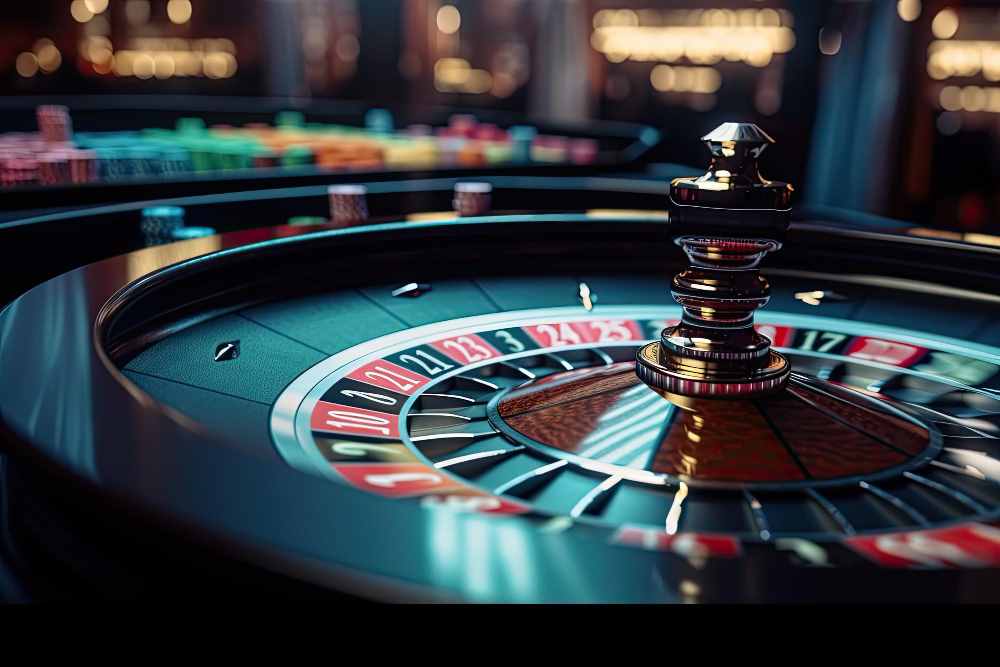
Take, for example, a player who has lost several bets in a row on a roulette table. They may decide to increase their wager in the belief that a win must occur shortly. However, the odds remain constant, and the player is more likely to lose even further. Understanding that the outcome of each game is independent reinforces the importance of responsible betting and setting limits based on self-control rather than faulty reasoning about “due” outcomes.
Furthermore, this myth contributes to the emotional roller coaster many gamblers experience. When chasing losses, players can easily fall deeper into financial trouble, believing that a big win is just around the corner. Responsible gambling practices emphasize understanding the true nature of probability and randomness, empowering players to make informed choices that prioritize entertainment and enjoyment over misguided expectations.
Beliefs Around Skill-Based Games
A prevalent myth is that skill-based games, such as poker and blackjack, can be entirely mastered to ensure consistent winnings. While it is true that skill plays a significant role in these games, particularly in poker, luck remains an essential factor that cannot be controlled. Professional players can minimize losses and maximize gains through strategy and experience, yet they still face the unpredictable nature of the cards dealt and the behavior of other players.
In poker, for example, understanding the odds, reading opponents, and making strategic plays can significantly improve a player’s chances of winning. However, even the best players will face bad beats where they go all-in with a strong hand, only to lose to a weaker hand due to the randomness inherent in the game. This reality highlights the myth that skill can eliminate chance, demonstrating the delicate balance between the two elements that define gaming experiences.
Moreover, the notion that non-stop practice leads to guaranteed wins can create unrealistic expectations. While honing skills can lead to better decision-making and enhanced gameplay, it does not ensure profits in the unpredictable environment of the casino. This understanding encourages players to enjoy the process of learning and improving while maintaining a realistic perspective about the inherent risks of gambling.
Exploring Responsible Gambling Resources
While the myths surrounding gambling can create confusion and misunderstandings, various resources are available to promote responsible practices. Many casinos and online platforms offer education on responsible gambling, including tools to set betting limits, self-exclusion programs, and information on recognizing problematic behavior. These resources aim to empower players to make informed decisions and create a safer gambling environment.
Websites dedicated to gambling education provide access to research, guidance, and support for those affected by gambling-related issues. Knowledge is key in dispelling myths, and engaging with reputable sources can help players understand the realities of gambling without falling prey to misconceptions. Gamblers are encouraged to familiarize themselves with these resources to ensure that their gaming experiences are enjoyable and do not lead to adverse consequences.
In addition to promoting understanding, these resources foster a culture of awareness about gambling behaviors and the potential for addiction. They encourage players to view gambling as a form of entertainment rather than a means of income, emphasizing the importance of moderation and mindfulness in gaming. By taking advantage of available resources, players can develop healthier habits and enhance their overall experience in the casino environment.